
Key Takeaways
- Detox addresses only withdrawal, leaving tolerance, triggers, and neurological patterns intact, which is why relapse is common without residential care, MOUD, and continuing support.
- Arkansas has expanded access through a 37% rise in buprenorphine dispensing from 2019 to 2023 and Medicaid removing prior authorization for preferred MOUD products 3, 5.
- Choosing a facility means weighing length of stay, peer fit, discretion, and whether the program integrates detox, residential treatment, MOUD, and alumni support in one continuum.
- Families and professionals in Arkansas should plan ahead for the day-eight transition, confirm insurance and licensing board pathways, and refuse to accept detox-only as a complete solution.
Why Detox Keeps Failing You
You know the initial days of withdrawal: the shaking, the drenching sweats, the restless legs. You’ve been through it before, perhaps in a hospital, a hotel room, or even at home, vowing it would be the last time. Yet, between two weeks and six months later, the cycle inevitably tightens its grip again.
The critical truth often overlooked is that detox is designed for safe drug removal, not sustained sobriety. These are distinct objectives. One typically takes about a week; the other demands years of dedicated effort.
When you leave detox and return to your familiar environment—the same commute, phone, and daily stressors—your brain’s underlying patterns remain unchanged. While your tolerance decreases, your triggers do not. This gap is precisely where relapse takes root.
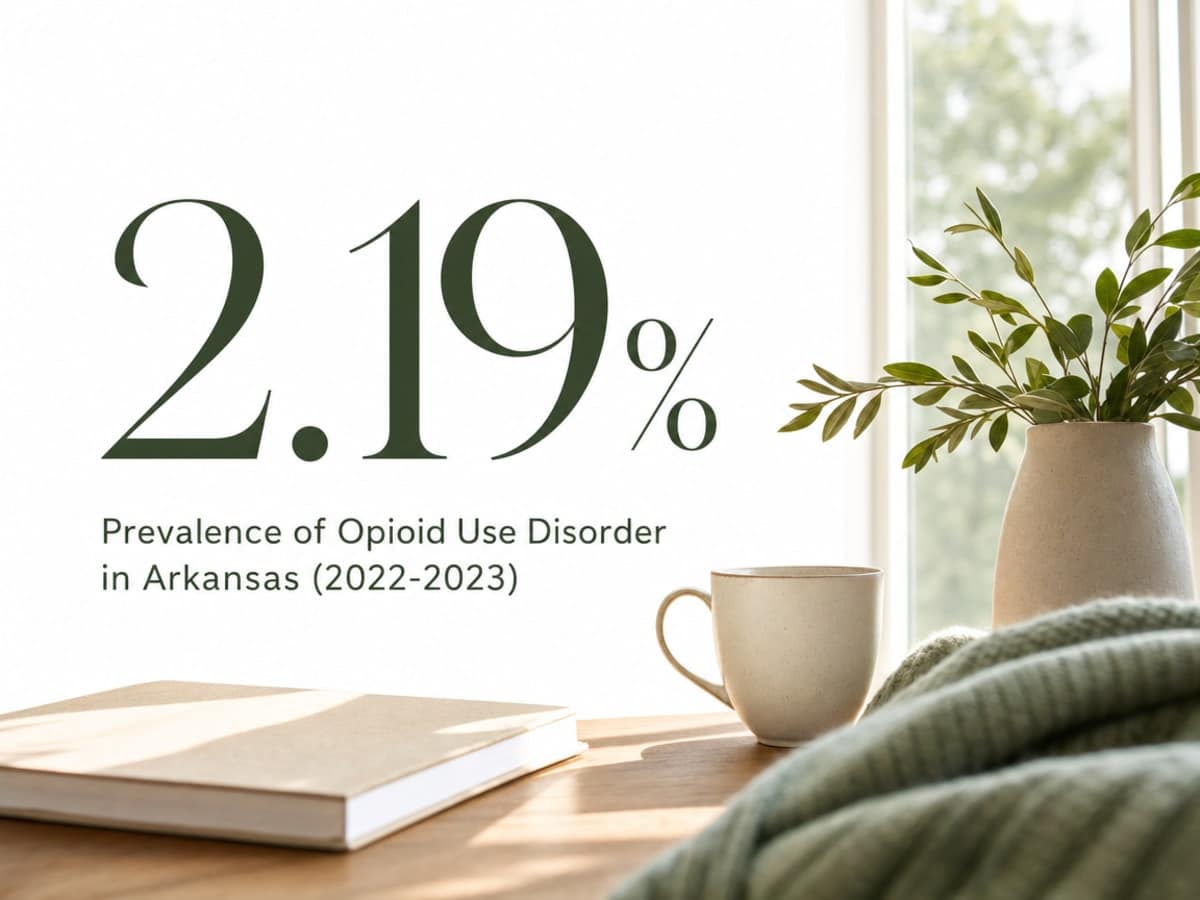
This isn’t a sign of weakness or a lack of willpower. It signifies that you’ve received treatment for the acute withdrawal event but were sent back into the cycle before it could be truly interrupted. In Arkansas, this is a common narrative for many men; an estimated 56,000 adults meet the criteria for opioid use disorder, and approximately three-quarters of those needing treatment do not receive the comprehensive care required for lasting recovery 1.
The Cycle That Runs You
Use, Tolerance, Withdrawal, Repeat
Heroin dependency is not a singular issue but a sequence of four interconnected problems that collectively dictate behavior.
- Initial use often brings a profound sense of relief, which is its inherent danger. The brain registers this experience as a solution, filing it away as an effective coping mechanism.
- Tolerance quickly develops, requiring increased doses or more frequent use to achieve the same effect. The goal shifts from seeking a high to merely maintaining a functional baseline—the state needed to manage daily responsibilities.
- Withdrawal acts as a powerful deterrent. Missing a dose triggers severe physical and psychological symptoms within hours, including sweats, cramps, skin sensations, and intense anxiety. At this stage, using becomes perceived as a survival imperative rather than a conscious choice.
- Brief abstinence, such as a hospital stay or detox, removes the drug from the body, but the neurological pathways remain. Environmental cues—a song, a specific location, or even unstructured free time—can reactivate the entire cycle.
This is the predictable neurological loop that defines the cycle, not a failure of character.
Where the Cycle Breaks — And Where It Doesn’t
Understanding the cycle reveals where different treatments intervene.
- Detox specifically addresses the withdrawal phase. It safely removes the drug and alleviates immediate physical distress, but it is only one link in a four-link chain.
- Residential treatment targets the underlying neurological patterns. By removing individuals from their usual environments for an extended period, it allows the nervous system to stabilize, and therapists can identify and address specific triggers. It provides tools to recognize and manage the cycle, offering distance and strategies for prevention.
- Medication for opioid use disorder (MOUD), including buprenorphine, methadone, or extended-release naltrexone, directly impacts the use and tolerance links, significantly reducing cravings and the euphoric effects of opioids.
- Continuing care, through regular group meetings, counseling, or alumni support, helps individuals manage cue-driven relapse by providing a platform to articulate cravings and receive support before acting on them.
Relying solely on detox leaves three crucial links of the dependency cycle unaddressed, highlighting a systemic design flaw rather than a moral failing.
What One Year of Data Says About Detox Alone
The Australian Treatment Outcome Study (ATOS) provides valuable insights into the effectiveness of various treatment approaches for heroin dependence. This study tracked 615 individuals across four groups: those receiving maintenance therapy (methadone or buprenorphine), residential rehabilitation, detox, and a comparison group with no treatment. The study’s significance lies in its measurement of actual outcomes at the one-year mark, focusing on sustained heroin abstinence.
At 12 months, the results showed that 65% of those in maintenance therapy were heroin-abstinent, followed by 63% from residential rehab, 52% from detox, and 25% from the no-treatment group 10.
While detox significantly improves outcomes compared to no treatment, roughly doubling the odds of abstinence, a notable gap exists between detox and more comprehensive interventions. The 11% difference between detox (52%) and residential treatment (63%) underscores the added benefit of extended care. Furthermore, the 13% difference between detox and maintenance therapy (65%) highlights the protective effect of MOUD. This data suggests that choosing detox alone, rather than a full continuum of care, can be the difference between sustained recovery and relapse for a significant number of individuals.
The study also revealed that individuals who engaged in fewer, longer, and more connected treatment episodes achieved better outcomes than those who cycled through multiple short interventions. This indicates that the duration and continuity of treatment are crucial for long-term success, suggesting that previous “failures” were often due to insufficient treatment rather than a lack of effort.
The Window Nobody Warns You About
The long-term ATOS follow-up, spanning 18 to 20 years, explicitly demonstrated this phenomenon. It found a consistent link between time spent in residential rehabilitation and an increased risk of overdose. Conversely, maintenance therapy with buprenorphine or methadone was consistently associated with a reduced risk of overdose 11. This highlights a paradox: while residential treatment is vital for addressing underlying patterns, it simultaneously lowers tolerance, creating a perilous window post-discharge.
This finding does not negate the value of residential treatment, which is essential for rewiring behavioral patterns. Instead, it emphasizes the absolute necessity of robust post-discharge planning. This includes a seamless transition to continuing care, proactive discussions about MOUD before leaving the facility, and accessible support systems. These elements are not optional additions but critical safeguards during the period of highest vulnerability.
What a Real Continuum Contains
Medically Supervised Detox
Detox serves as the essential starting point, not the culmination, of recovery. Effective medically supervised detox provides a safe environment with professional oversight, including nurses and physicians experienced in managing opioid withdrawal. It involves the strategic use of medication to alleviate the most severe symptoms like sweats, cramps, and anxiety during the acute withdrawal phase.
The primary goal of medically supervised detox is to ensure safety and stability while the body eliminates the drug. This includes continuous monitoring of vital signs such as blood pressure, heart rate, and hydration, along with scheduled comfort medications tailored to the individual’s physiological needs. This structured approach ensures that by day eight, the nervous system is sufficiently calm to allow for clear decision-making regarding subsequent treatment steps.
Crucially, the decision for the next phase of care—whether residential treatment, MOUD, or both—should be made and planned before an individual leaves the detox facility.
Residential Treatment
Residential treatment is where the deeper work of behavioral and psychological change occurs. This involves a dedicated period, typically 30, 60, or 90 days, spent in a facility removed from daily triggers and stressors. This separation allows individuals to disengage from the routines and environments that perpetuate their dependency.
During this time, individuals establish healthy sleep and eating patterns. They engage in intensive counseling sessions where therapists help identify specific triggers and patterns of addiction, moving beyond abstract concepts to address personal experiences. Group therapy with peers who share similar professional and personal struggles fosters a sense of community and reduces isolation. Psychiatric evaluations are also common, as addiction often co-occurs with untreated mental health conditions like depression, anxiety, or chronic pain.
Smaller facilities, such as those with 20 beds, offer a more personalized approach. The clinical team can quickly develop a comprehensive understanding of each individual’s history, behaviors, and progress, fostering a more tailored and effective treatment experience.
Medication for Opioid Use Disorder
Medication for Opioid Use Disorder (MOUD) is a vital component of comprehensive recovery, not merely a substitute for one drug with another. It offers the strongest evidence for overdose prevention and plays a critical role in stabilizing individuals and reducing relapse risk.
Three primary medications are used: buprenorphine, which can be prescribed by licensed providers (with Arkansas Medicaid removing prior authorization for preferred products in January 2020, improving access 5); methadone, dispensed through specialized opioid treatment programs under strict regulations 6; and extended-release naltrexone, an injectable medication that blocks opioid effects for approximately one month.
Each medication works differently to mitigate the cycle of dependency. The choice of MOUD depends on an individual’s history, health status, lifestyle, and personal preferences. The crucial aspect is to engage in an informed discussion with a clinician to make a decision based on evidence and individual needs, rather than avoiding MOUD due to misconceptions or pride.
Continuing Care and Alumni Support
Continuing care is often underestimated but is fundamental to sustaining long-term recovery. It provides ongoing support and accountability, helping individuals navigate the challenges of daily life without returning to substance use.
This phase includes regular activities such as weekly group meetings, where individuals can openly discuss cravings and challenges before they escalate. It also involves consistent check-ins with counselors, particularly during stressful periods. Alumni networks, often through text threads or regular gatherings, offer peer support from individuals who have successfully navigated similar paths, providing timely and relatable guidance.
The 11-year ATOS data revealed that nearly half of the study participants remained engaged in some form of treatment, indicating that sustained connection to support is a normal and effective part of long-term recovery 12. This ongoing engagement can take various forms, such as monthly alumni dinners, regular therapy appointments, peer support meetings, continued MOUD, or a combination of these, adapting to an individual’s evolving needs over time.
Arkansas Is Building the Rails
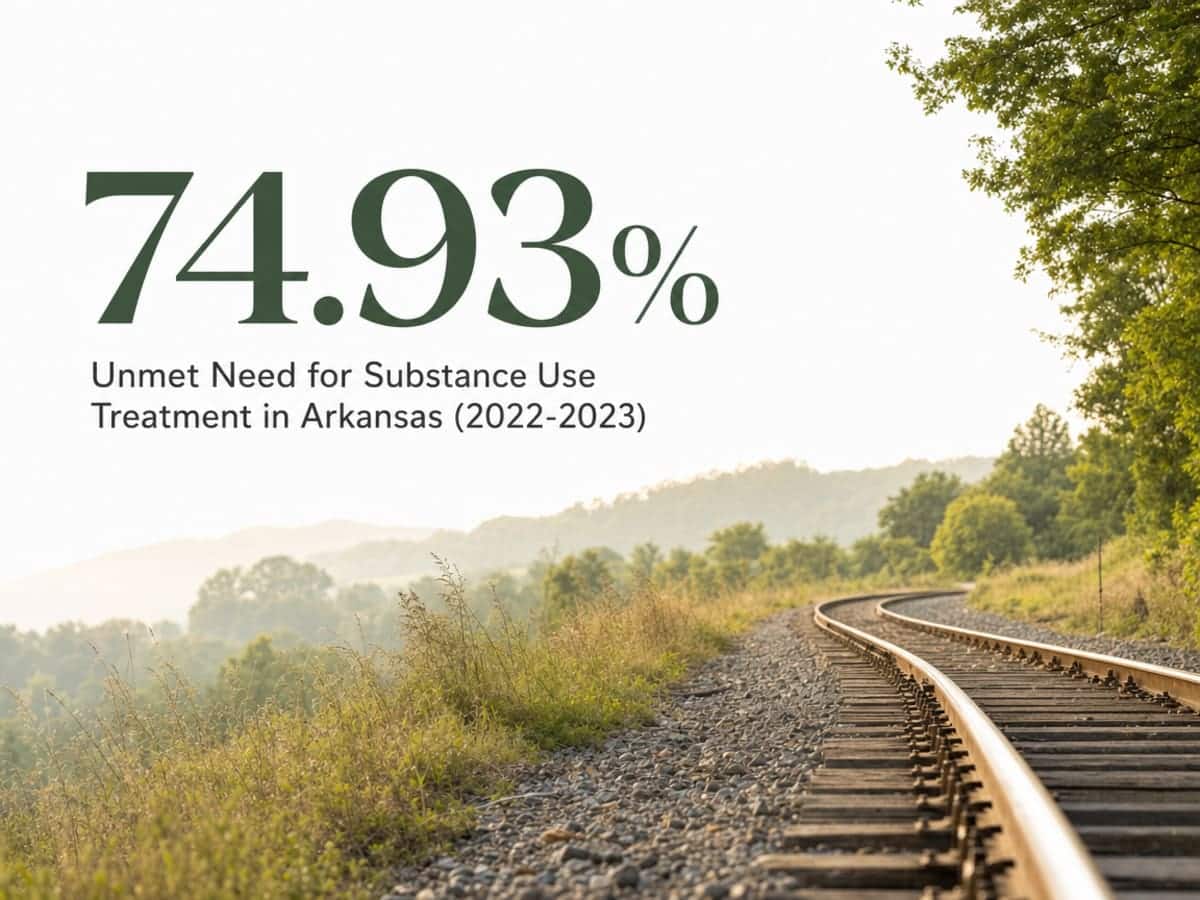
Arkansas is actively working to improve its substance use treatment infrastructure. While a significant gap remains—approximately three out of four adults needing substance use treatment still do not receive it 1—the state has made meaningful progress.
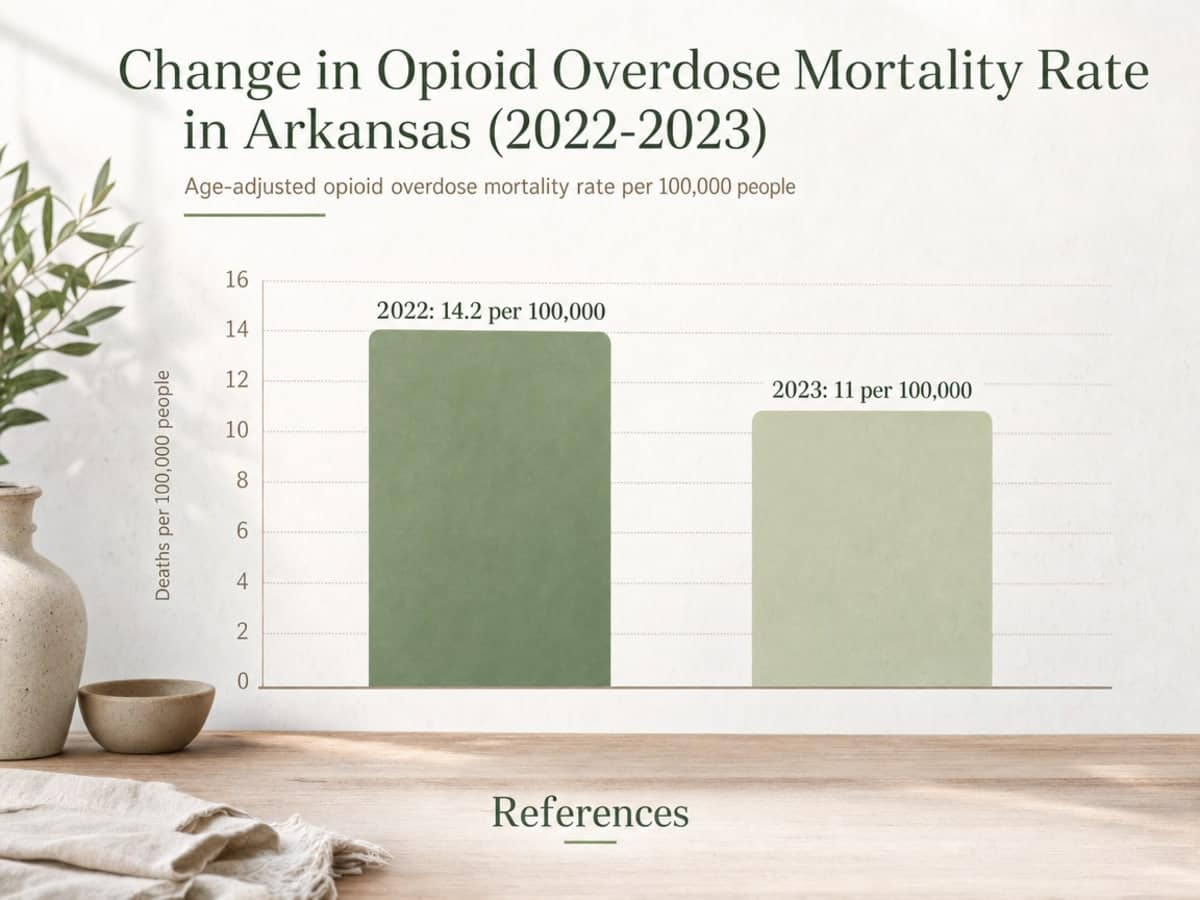
The age-adjusted opioid overdose death rate in Arkansas decreased from 14.2 per 100,000 in 2022 to 11.0 in 2023, a substantial reduction indicating effective interventions 3. This improvement correlates with a 37% increase in buprenorphine dispensing between 2019 and 2023, rising from 3.4 to 5.4 units per 100 people 3. This expansion means more prescribers and pharmacies are providing access to medication that helps stabilize individuals and reduce cravings.
Policy changes have also facilitated access. Arkansas Medicaid eliminated prior authorization requirements for preferred buprenorphine products in January 2020 and for preferred injectable MAT medications in October 2023 5. This significantly reduces administrative barriers to receiving critical medication. Furthermore, UAMS supports facilities statewide and operates Project ECHO tele-mentoring, equipping community providers in rural areas to prescribe MOUD with expert clinical backing 7. While opioid treatment programs still require face-to-face dispensing for methadone and buprenorphine 6, ensuring clinical oversight, the overall landscape for accessing treatment in Arkansas is more favorable than in previous years.
The Professional Man’s Calculus
The 30, 60, or 90 Days You Think You Can’t Spare
Many professionals believe they cannot afford the time away for extended treatment, citing demanding schedules and critical obligations. However, a realistic assessment often reveals that more time has already been consumed by managing the addiction itself—through hangovers, reduced productivity, lost weekends, and the mental burden of concealment. This time, though not formally scheduled, is already gone.
The ATOS data provides clear evidence: individuals who engaged in a single, longer, and continuous period of care achieved better outcomes than those who underwent multiple short treatment episodes 10. For many, 30 days is a minimum, but 60 or 90 days allows for deeper neurological and behavioral recalibration.
Legal and professional protections exist to support this. The Family and Medical Leave Act (FMLA) covers job-protected leave, and short-term disability often covers residential stays. Professional licensing bodies in Arkansas for fields like medicine, law, and nursing offer confidential pathways for self-referral, safeguarding credentials. Investing 60 days now can secure decades of future productivity and professional life, whereas continued deferral risks involuntary and more disruptive consequences.
Discretion, Small Facilities, and Peer Fit
The choice of treatment facility is as crucial as the timing. Large, high-volume facilities often provide standardized care where individual attention can be limited. In contrast, a smaller, 20-bed men’s residential setting fosters a more intimate and personalized environment. Here, the clinical team can quickly learn an individual’s specific history, patterns, and triggers within the first ten days.
Group therapy in such settings is particularly effective when participants share similar life experiences and professional backgrounds. This “peer fit” allows for open and honest sharing, as men can relate to the specific pressures of demanding careers, family responsibilities, and the unique shame associated with addiction in professional contexts. Without this alignment, group sessions can lose their efficacy.
Discretion is a built-in feature of smaller facilities. With fewer staff and clients, there is greater control over information flow, which is vital for professionals concerned about privacy. Serenity Park in Little Rock exemplifies this model, offering a 20-bed, men-only environment that integrates the full continuum of care—from medically supervised detox through continuing care and alumni support—within a single, cohesive program.
Recovery Measured in Years, Not Weeks
The reality of recovery from heroin dependence extends far beyond the typical 28-day treatment model. The 18–20 year ATOS follow-up study, which tracked 615 individuals, provides a long-term perspective. Initially, 97.6% of participants met the criteria for heroin dependence. By the end of the study, this figure had dropped to 14.5% 9. This means approximately seven out of eight individuals who were dependent at the start were no longer dependent two decades later.
This significant shift occurred over many years, not months. Recovery pathways varied, including maintenance therapy, residential care, and multiple attempts at treatment. Most individuals achieved long-term recovery through a combination of these approaches, integrated into their lives over an extended period.
This data offers an honest portrayal: recovery is achievable for most who remain engaged in some form of support over time. It is rarely a quick or linear process. Periods of progress followed by setbacks are not indicative of failure but are characteristic of managing a chronic condition over a lifetime.
Practically, this means shifting focus from short-term abstinence to the overall trajectory of recovery. Success is measured by consistent progress over years—a Tuesday without using, a quarter fully present for family, or a birthday remembered. Accumulating these moments gradually weakens the grip of dependency. Those who achieve lasting recovery are not necessarily those who found a perfect program, but those who consistently engaged with the next necessary step in their recovery journey.
For the Family Reading This Instead of Him
If you are a family member or close associate reading this—a spouse, adult child, sibling, or colleague—it’s important to understand that the individual struggling with addiction may not make rational decisions at optimal times. The nature of the cycle prevents this.
Your role can be to prepare a plan for when a window of readiness opens. Research facilities, confirm insurance coverage for residential treatment and MOUD, and understand any confidential pathways offered by professional licensing boards. Have contact information readily available before an emergency arises.
You are not responsible for causing the addiction, nor can you force recovery through sheer willpower. However, you can maintain an open and supportive environment, and be prepared to guide them toward comprehensive treatment when they are ready to seek help.
Frequently Asked Questions
Why do I keep relapsing after detox, even when I mean it every time?
Detox only addresses the physical withdrawal, which is one part of a complex cycle. It removes the drug, but the underlying neurological patterns, triggers, and the lowered tolerance remain. Your intention is not the issue; the treatment duration was insufficient to interrupt the full cycle. This is a systemic design gap, not a personal failing.
How long should a real treatment stay be if I’ve already detoxed more than once?
For individuals with a history of relapse, 30 days is typically the minimum for residential treatment, but 60 or 90 days allows for more thorough stabilization of the nervous system. The ATOS data indicates that longer, continuous periods of care yield better outcomes than multiple short interventions 10. The key is sustained engagement in structured continuing care.
Can I keep my job, license, or practice while getting treatment in Arkansas?
In most cases, yes. FMLA provides job protection for up to twelve weeks, and short-term disability often covers residential treatment costs. Arkansas licensing boards for professionals like physicians, attorneys, and nurses offer confidential self-referral programs designed to protect your credentials during treatment. Investing in 60 days of treatment now can secure your professional future for decades.
Do I have to take buprenorphine or methadone, or can I do this medication-free?
While some individuals pursue recovery without MOUD, the evidence strongly supports the overdose-protective benefits of buprenorphine and methadone, especially in the vulnerable period after residential discharge when tolerance is low 11. It’s crucial to discuss all options with a clinician to make an informed decision based on your specific needs, rather than letting pride dictate your treatment plan. Extended-release naltrexone is also a non-opioid alternative to consider.
Why is the risk of overdose higher right after leaving residential treatment?
During residential treatment, your opioid tolerance significantly decreases. Consequently, the dose that was once manageable before treatment can become lethal upon return to your regular environment. The 18–20 year ATOS follow-up found that residential episodes were linked to increased overdose risk, while maintenance therapy was associated with reduced risk 11. This underscores the importance of a well-planned transition to continuing care and MOUD.
How do I get him to go when he keeps saying he can handle it himself?
You likely cannot force someone into treatment. However, you can be prepared for when they express readiness. Have information on facilities, confirm insurance coverage for residential and MOUD, and understand professional licensing board pathways. Crucially, advocate for a comprehensive plan that extends beyond detox, asking about day-eight plans and continuing care options, as detox alone is insufficient for long-term recovery.
References
- ARKANSAS – National Survey on Drug Use and Health, 2022–2023 State Tables. https://www.samhsa.gov/data/sites/default/files/reports/rpt56188/2023-nsduh-sae-state-tables_0/2023-nsduh-sae-state-tabs-arkansas.pdf
- 2022–2023 National Surveys on Drug Use and Health: Guide to State Tables and Methodology. https://www.samhsa.gov/data/sites/default/files/reports/rpt56184/2023-nsduh-sae-guide-state-meth/2023-nsduh-sae-guide-state-meth.htm
- Arkansas State Opioid Response (SOR) 4 – Year 1 Program Evaluation. https://humanservices.arkansas.gov/wp-content/uploads/Y1-WYSAC-Eval-AR-SOR-4-Final-Draft.pdf
- Office of Substance Abuse and Mental Health (OSAMH). https://humanservices.arkansas.gov/divisions-shared-services/shared-services/office-of-substance-abuse-and-mental-health/
- Arkansas Medicaid Pharmacy Program – Medication Assisted Treatment Guidance. https://humanservices.arkansas.gov/wp-content/uploads/MAT-Revised-Website-posting-12.14.pdf
- 20 CAR § 433-323: Opioid Treatment – Code of Arkansas Rules. https://codeofarrules.arkansas.gov/Rules/Rule?levelType=section&titleID=20&chapterID=128&subChapterID=170&partID=666&subPartID=3988§ionID=24551
- Improving Access to Treatment for Opioid Use Disorder (UAMS CAST). https://psychiatry.uams.edu/clinical-care/outpatient-care/cast/improving-access-to-treatment-for-opioid-use-disorder/
- Modelling Long-Term Joint Trajectories of Heroin Use and Treatment Utilisation: Findings from the Australian Treatment Outcome Study. https://pmc.ncbi.nlm.nih.gov/articles/PMC6833348/
- Findings from the 18–20-Year Australian Treatment Outcome Study (ATOS). https://pubmed.ncbi.nlm.nih.gov/37713938/
- One Year Outcomes for Heroin Dependence: Findings from the Australian Treatment Outcome Study (ATOS). https://pubmed.ncbi.nlm.nih.gov/16343809/
- Patterns and Predictors of Heroin Use, Remission, and Overdose: 18–20-Year Outcomes from ATOS. https://pmc.ncbi.nlm.nih.gov/articles/PMC9847452/
- 11-Year Findings from the Australian Treatment Outcome Study (Heroin Dependence). https://pubmed.ncbi.nlm.nih.gov/25619110/
- Arkansas Statewide Collegiate Substance Use Assessment, 2023. https://ualr.edu/publicaffairs/wp-content/uploads/sites/203/2024/03/2023-ACSUA-final.pdf